Manchesterism Isn’t Coming. It’s Here.
A lot of the ideas that have shaped Greater Manchester’s creative economy now sit much closer to the centre of government. For creative businesses, that’s worth paying attention to as Andy Burnham becomes Prime Minister today. For many people, that’s first and foremost a political story, but for those of us working with creative, digital and media businesses, it feels more like a business story.
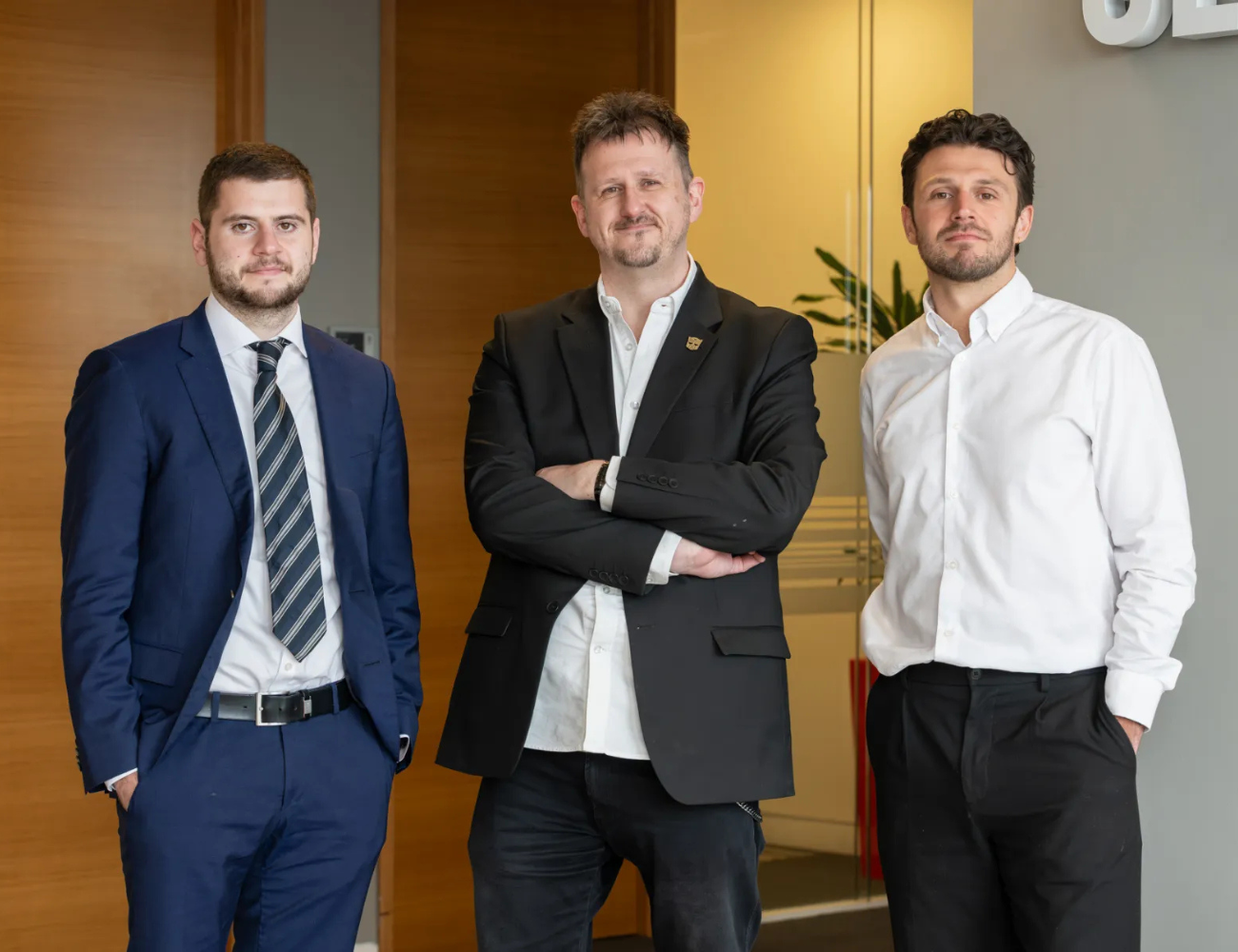
As a Manchester-based team, we’ve spent years watching Burnham’s approach to growth, culture, technology and the creative industries develop locally while advising agencies, production companies, talent businesses, technology companies and creative organisations across the UK. That gives us a useful perspective because we’ve seen both the policy conversations and the commercial realities unfold side by side. The most interesting question isn’t whether Burnham understands the creative industries. We’ve had years of evidence of that already. Nor is it whether the sector has finally secured a place on government’s agenda. The UK’s Industrial Strategy, the Creative Industries Sector Plan and wider investment in regional growth all demonstrate that the argument about the sector’s economic importance has largely been won. – what matters now is how that agenda gets delivered.
One of the defining characteristics of Greater Manchester’s approach has been its refusal to separate creativity from the wider economy. Conversations about technology, skills, investment, innovation and growth tend to feed into one another rather than operating in isolation, and that philosophy is reflected throughout Greater Manchester’s Creative Industries Sector Development Plan, which focuses heavily on talent, investment readiness, entrepreneurship, freelancers, microbusinesses and long-term growth. That won’t come as a surprise to anyone running a creative business; most founders aren’t dividing their challenges into policy categories – they’re trying to recruit talented people, secure investment when they need it, respond to technological change, win work from increasingly demanding clients and build businesses that can survive and grow over the long term.
The conversations we have with clients in Manchester are remarkably similar to those we have with clients in London, Bristol, Leeds, Newcastle and Glasgow. The geography changes, but the underlying issues don’t; that’s why today’s appointment feels significant. Not because Manchester has discovered some secret formula for success, and not because anyone expects a new Prime Minister to transform the sector overnight. It matters because some of the thinking that has shaped one of the UK’s most successful regional creative economies may now become more influential nationally. The UK already has a strategy for growing the creative economy so we think the more interesting question is whether a Prime Minister who spent years helping shape Manchester’s creative and digital ecosystem brings a different perspective to delivering it.
Creative businesses don’t need another round of speeches telling them that they matter; most are far more interested in practical questions about how they attract talent, access opportunities, respond to market changes and build confidence for long-term investment. Whether Manchester’s influence ultimately changes or even improves national delivery remains to be seen, what seems much more likely is that some of the ideas that have shaped Greater Manchester’s growth now have a much larger audience than they did yesterday. For businesses operating across the creative economy, that’s probably the part worth paying attention to.
We’ve spent years watching this approach develop in Manchester while working with creative, digital and media businesses across the UK, and some of the language coming out of Number 10 today sounds very familiar. Whether that translates into meaningful change remains to be seen, but we’ll be keeping a close eye on Number 10 – both North and South.
The UK’s Social Media Ban for Under-16s: A Line in the Sand for Platforms, Brands and Agencies
The UK Government’s announcement of a ban on social media access for under-16s is one of those mom
Oasis, Algorithms and the ASA: What dynamic pricing means
When Oasis (finally) announced their reunion tour, ticket buying fans reignited a national debate ov

AI in Creative, Digital and Business Contracts
AI now sits at the heart of how modern businesses operate. It drafts documents, designs visuals, ana

Leave a Reply